SYSTEM / 01
Mechanic
Test the action first.
Mechanic
A small prototype makes controls, pacing and feedback tangible. It tests assumptions; it is not a finished store-ready game.
SELECT A DIRECTION

GAME SYSTEMS / MOBILE / COMMERCE
From the core mechanic to an in-game purchase. Mobile games, store integrations and web portals designed as one connected system.
DISCUSS THE IDEA ↗We develop mobile games around an understandable core loop. Before committing to a full build, we establish what the player does, how feedback works and why another attempt makes sense. A prototype lets us examine controls and pacing before investing in a large content library. It is a working test of an idea, not a promise of future popularity.
We agree target platforms, reference devices, progress storage and the contents of the first release. Responsibility for artwork, sound and rights is made explicit. We can work with available assets or scope their preparation within the project. There is no catalogue of supposedly released titles here: we describe the services and outputs that should be handed over to the client.
Explore the service ↗We integrate in-app purchases and store services within the selected platform's rules. We define product types, identifiers, their connection to the game's internal state and what happens when the player returns to the app. Players should understand what they are buying, while the game handles cancellation, pending confirmation and reopening correctly.
The test plan covers sandbox environments, transaction confirmation, restoration where applicable and avoiding duplicate grants. Subscriptions, consumable and non-consumable products need different rules. Server validation and store notification handling are scoped according to the architecture. We are not a payment operator and do not guarantee revenue, product approval or unchanged store policies.
Explore the service ↗We build game web portals that explain a product and support its public presence: game pages, updates, publication materials and clear store links. Where a backend integration is needed, we establish the data source, access restrictions and behaviour when the API is unavailable. A portal should not invent states or mislead visitors.
The proposal separates public pages, possible content management and features needing accounts or additional safeguards. Registration is not included merely to complete a familiar screen set. We hand over the agreed structure, responsive implementation, content-update guidance and service dependencies. After release, the team should be able to change a description, update a link and publish an explanation without rebuilding the entire solution.
Explore the service ↗We help prepare games for app-store publication. Agreed names, descriptions, visual assets, age-rating information, data declarations and developer-account access are needed. We compare the technical build with agreed requirements and prepare a clear list of items the product owner must supply. Legal declarations are approved by the client.
Publication depends on platform review, so there is no guaranteed approval date. Review feedback is separated into technical fixes, listing changes and questions for the owner. After submission, the build version, product configuration and known limitations should remain traceable. Help with later updates is agreed separately rather than implied as an indefinite promise of free changes.
Explore the service ↗SYSTEMS / OPEN TO INSPECT
This is not a catalogue of existing products or a showcase of released games. Open a card to see the question behind each service. Each decision has its own inputs, limits and checks.
Test the action first.
A small prototype makes controls, pacing and feedback tangible. It tests assumptions; it is not a finished store-ready game.
Plan for interruption.
Successful payment is only one state. Cancellation, pending confirmation, relaunch and restoration of eligible items need separate decisions.
Prepare more than a file.
Builds, metadata, declarations and accounts must align. The platform makes its own decision about approving a submission.
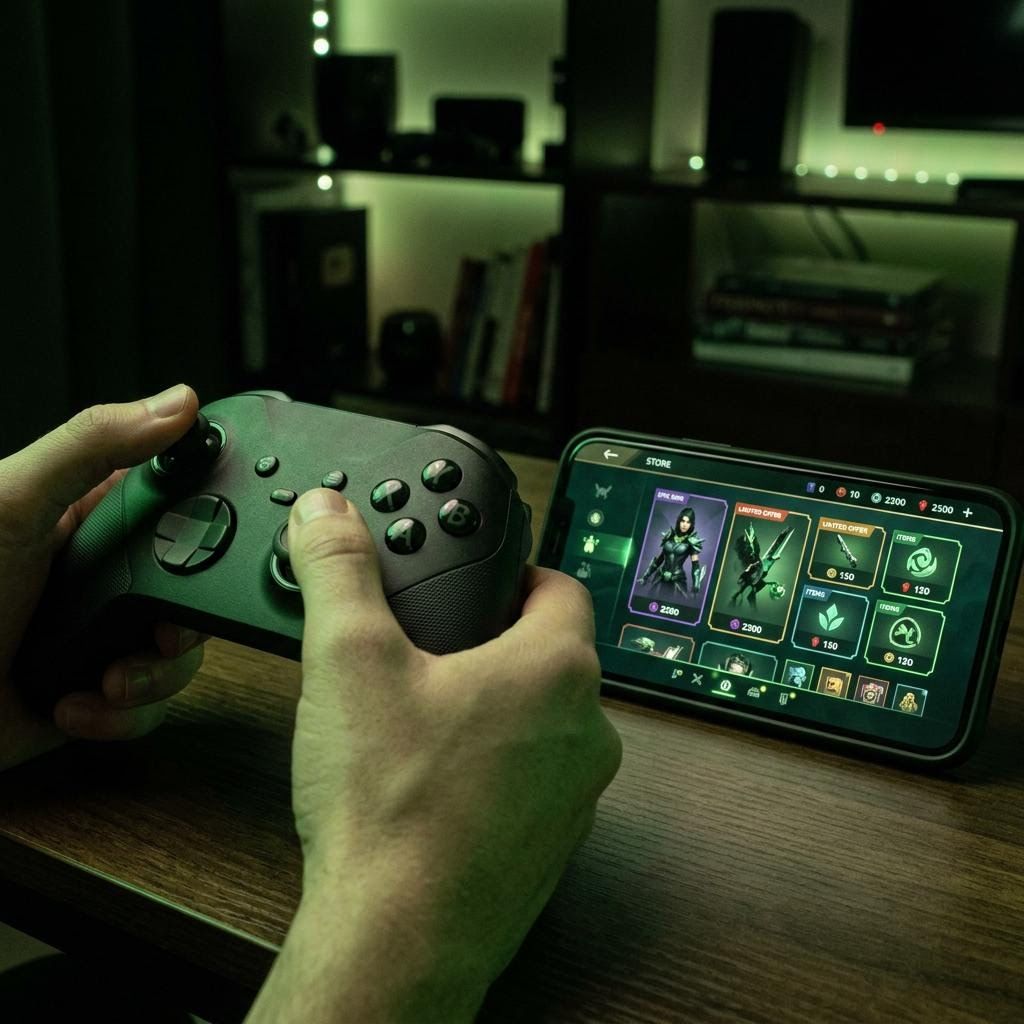
Mechanics, interface, commerce and publication should not move as four disconnected projects. At the start we map dependencies: what a prototype should test, what needs a server, who supplies materials and what each agreed review should establish. A risky integration is often worth testing before polishing every screen.
The proposal records scope, assumptions, exclusions and acceptance arrangements. Interim builds create something concrete to discuss rather than decorative reports. Requirement changes are assessed before entering the work. Handover includes dependency records and practical build guidance. Rights to code, libraries and assets are defined by agreement: open-source licences cannot be replaced by a vague promise of total ownership of everything.
Production approach ↗The hardest problems rarely look like a polished victory screen. They look like a lost connection during a purchase, a return from the background, an incomplete confirmation or an unavailable product. We list those states within agreed scope and define the expected response. The result should make sense both to the player and to whoever later investigates a support request.
Readiness checking does not replace testing or provide certification. It helps expose missing decisions before release: who owns accounts, where configuration lives, how a fault can be reproduced and who can postpone a launch. The tools below run locally without registration. Answers are not transmitted, retained or converted into an automatic quotation.
An agreed build should meet defined journeys on agreed devices. We check launch, the core loop, transitions, offline behaviour and other in-scope states. For purchases, the test environment and expected result are recorded separately. Known limits and unresolved questions remain visible at handover instead of disappearing after a demonstration.
We do not promise compatibility with every device or the absence of all future defects. Operating-system, store and external SDK changes can affect behaviour after release. An operating plan should therefore identify a fault-reporting route, account owners and a process for approving fixes. Support scope and hours are agreed separately.
A product owner needs more than a defect list: they need a way to make decisions. Before release, we identify issues that block submission, those with a known workaround and improvements that can wait for another version. Risk is considered against the core loop, lost progress, purchases and reproducibility. The client makes the final release decision with those limitations visible.
For an existing project, include the build version, platform, device model, reproduction steps and expected outcome. If a purchase is involved, do not send card information or complete payment records. A description of the state and an internal enquiry reference, if available, are enough to start.
We process requests Monday–Friday, 09:00–18:00, Europe/Kyiv, observing seasonal clock changes. This is not a 24-hour service. Priority and timing depend on agreed support, impact and the information available to reproduce the issue. Do not include passwords, store keys, tokens or players' personal information in this form.
Support form ↗ТОВ «ТЕХНОЛОГІЯ ІГР» focuses on mobile game development, in-game commerce, web portals and publication support. We do not present thematic imagery as our own released games or client work. This website contains no invented testimonials, revenue figures or promises of chart success. The conversation is about a specific idea and the technical work needed to test and realise it.
We handle expectations as carefully as code. Where a review uncovers uncertainty, we suggest a way to reduce it rather than hide it behind confident wording. Monetisation choices, age audiences, content rules and legal terms remain the product owner's decisions. Our role is to design and implement agreed technical journeys and explain their limits.
A new mobile game, purchase integration, web portal or publication preparation: start with the main task. Platform, project stage and available materials are helpful. The first enquiry does not need confidential documents, console credentials or an entire game design document.
This form is not an order and does not reserve delivery time. After reviewing it, we clarify scope and whether the work is suitable. A confirmation reference means accepted for processing, not guaranteed inbox delivery. For an existing fault in an agreed project, the support form is the better route.
START THE CONVERSATION ↗